

Belmont Summer Scholars
Belmont Undergrads have the opportunity to do research for credit during the summer through a program called Belmont Summer Scholars. Here, students work part-time (about 20-30 hours) for 6-8 weeks on a research project with faculty participating in the program. One of the major benefits of the program is that you only pay for 2 hours of credit but get 4 hours of credit in the process. Finally, if your major requires research and if you meet the requirements to take the research course, this program could cover the research requirement.
Participants in Summer Scholars have the option of participating in the research seminars and social activities occurring during the summer and can also present their research at the fall poster session. We generally know which faculty chose to participate in Summer Scholars around the winter break. Feel free to reach out to your advisor or Beth Bowman if you would like more information!
Financial Aid for the Summer
Scholars is a fantastic opportunity to get research experience at 1/2 price tuition. Still, at this discount, it is important to know how any financial aid might support this cost. There are several factors that go into summer aid and the best support you can get is to complete the Summer Aid Form: https://www.belmont.edu/sfs/forms.html. To complete the form, click on the Maymester & Summer Forms link.
Generally, most students have to be enrolled for 6 or more hours in the summer to receive federal aid. Some students receiving Pell grant funds might be eligible to use that and/or their Hope scholarship in the summer. If this research course is not within your program of study, you may not be able to use any type of aid. However, reaching out to Financial Aid is the best way to know the support you can receive.
Summer Scholars 2027 Faculty
If you are interested in participating in Scholars, please reach out to the faculty of interest to you to learn about the research available to you and what they are looking for in students.
Biology
Using DNA sequencing technology to catalog bacterial communities along the Cumberland River

I’m a trained cancer biologist and have, historically, worked to better understand pathways that regulate cancer cell growth. Most recently, I’ve really enjoyed finding ways to use my molecular expertise in other biological research fields. This summer I’ll be working collaboratively with Dr. Matt Heard, an Environmental Scientist, who plans to examine multiple aspects of water quality along the Cumberland River. We will be using a metagenomic 16S sequencing approach to better understand the vast bacterial communities that exist in different areas of the river. This collaborative project will help us understand how humans and other organisms might be affected by the bacterial makeup along the river, and also how various environmental factors might influence the makeup of microbial communities.
Special Skills Taught: Molecular biology, DNA sequencing, Environmental sample collection
Important Information for Participants: An Introduction to Biology (Principles I Lecture and Lab)
Time commitment: 4 hours credit, Summer Session I, ~30 hr/week
Email me: chris.barton@belmont.edu
Understanding The Impacts of Humans On The Environment
 I'm an environmental scientist and ecologist and work to understand the impacts humans have on the environment. This summer, I'm doing a collaborative project with Dr. Chris Barton (biology) looking at the health and ecological integrity of the Cumberland River here in Nashville. For this project, we'll be combining field work and lab work and using some cutting edge molecular techniques to understand how the bacterial communities present in the Cumberland River are changing over time. This work is super exciting and has relevance to people interested in public health, ecology, environmental science, and molecular biology!
Special Skills Taught: field work, lab work, ecology, data analysis, statistics, molecular biology, microbiology
Important Information for Participants: An Introduction to Biology (Principles I Lecture and Lab)
Time commitment: 4 hours credit, Summer Session I, ~30 hr/week
Email me: matthew.heard@belmont.edu
Functional Physiology of Animals
 My work focuses on how animal structure (ie bones, muscles, and shape) affect their function in a given environment or under varying physiological conditions. I work on a wide range on animals including frogs, fish, turtles, lizards, and insects. In my lab, you will have the opportunity to work with local researchers at Nashville Zoo, Vanderbilt, and Metro Parks conducting lab or field based research. Previous work in my lab has studied, insect flight, infectious diseases in amphibians, muscular anatomy, and locomotor performance. Skills you can learn include advanced dissection techniques, high speed camera analysis, biomechanics, animal husbandry, and field techniques.
Special Skills Taught: Dissections, high speed camera work, animal husbandry, field collection techniques, Electromyography
Important Information for Participants: physiology classes may be helpful but not necessary!
Time commitment: 4 hours credit, June 1-July 9, ~30 hr/week
Email me: chase.kinsey@belmont.edu
Investigating retinal cell injury response and regeneration
 Why do some tissues readily regenerate after injury while others, such as the retina, do not? My lab focuses on one specific retinal cell type, the retinal pigment epithelium (RPE), and asks the question: can we steer these cells’ first responses to injury toward regeneration? Students will learn how to grow RPE cells in culture, create controlled “injuries” in the dish, and track how the cells respond using fluorescence microscopy and molecular biology techniques such as qPCR. Along the way, they’ll learn to communicate their science, sharing their discoveries at a poster symposium. Together, we’ll hunt for the key factors that could turn the retina into a more regeneration-friendly environment, which is a step toward one day restoring vision lost to injury or disease!
Special Skills Taught: cell culture, injury modeling qPCR, RNA extraction, immunofluorescence, fluorescent microscopy, data analysis, scientific poster preparation
Important Information for Participants: BIO 1150 essential, helpful to have some cell biology or genetics experience
Time commitment: 4 hours credit, June 1-July 9, ~30 hr/week
Email me: sara.ramirez@belmont.edu
Cell Biology of Rare and Neglected Diseases
 Our lab is investigating novel therapeutics for rare diseases. We use live cell microscopy to see changes to the cell’s response to these drugs as our main approach.
Special Skills Taught: Live cell microscopy, mammalian cell culture, drug treatments, patient advocacy
Important Information for Participants: Preferred rising junior or senior
Time commitment: 4 hours credit, Summer Session II, ~30 hr/week
Email me: felicity.sterling@belmont.edu
Chemistry/Physics
1) Synthesis organic materials/monomer for proton exchange membrane; 2) Organic nanoparticles for cancer research
 A series of diazonium (perfluoroalkyl)aryl sulfonylimide (PFSI) zwitterionic monomers are planned to be synthesized. These partially fluorinated monomers, containing trifluorovinyl ether and diazonium groups, are designed for polymerization and covalent bonding to carbon electrodes in proton exchange membrane fuel cells.
The 2nd project's goal is to develop theranostic nanoparticles (NPs) that enhance cancer diagnosis and targeted therapy. By combining CDs, FA, and anticancer drugs, these NPs aim to detect early-stage cancer and selectively treat tumor cells.
Special Skills Taught: organic lab synthesis skills, Nuclear Magnetic Resonance Spectroscopy, Infrared Spectroscopy,Ultraviolet–visible spectroscopy, Fluorometer
Important Information for Participants: Organic lecture and lab is required
Time commitment: 4 hours credit, June 1-July 9, ~20-30 hr/week
Email me: hua.mei@belmont.edu
Planets Beyond our Solar System: Astrophysics Observation and Analysis
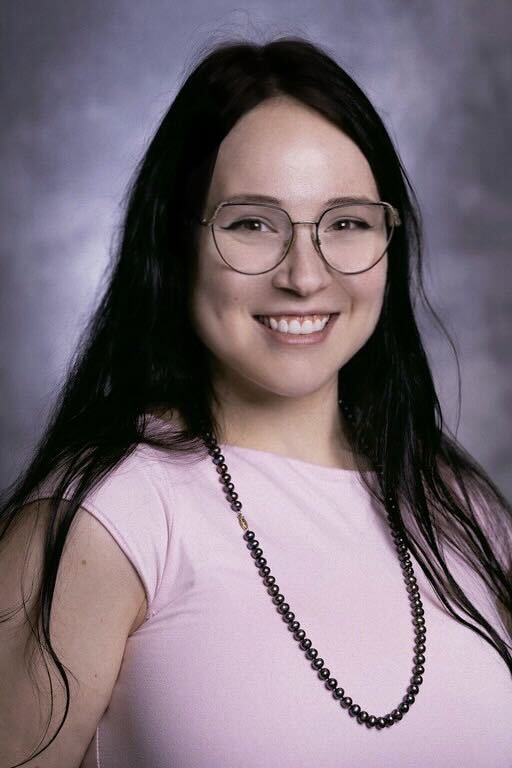 From earth, we can observe planets outside of our own solar system, called exoplanets, orbiting their host star. When they pass in front of their star, they block an amount of light traveling to us from the star. Are you interested in exploring how planetary radii, orbital distances, and host star types affect these transit depths and durations? Take part in a NASA Citizen Science program known as Exoplanet Watch! You will gain experience working with a Meade LX200-ACF reflector telescope to record quality datasets to submit to the American Association of Variable Star Observers (AAVSO) repository. We will then analyze our data in addition to the community's available datasets, which can lead to intriguing publications in Astrophysics: such as discovering and/or confirming new exoplanets and monitoring stellar variability. Connect with a community of like-minded scientists interested in exploring planetary diversity!
Special Skills Taught: organic lab synthesis skills, Nuclear Magnetic Resonance Spectroscopy, Infrared Spectroscopy,Ultraviolet–visible spectroscopy, Fluorometer
Important Information for Participants: Organic lecture and lab is required
Time commitment:4 hours credit, June 1-July 9, ~30 hr/week
Email me: beverly.warner@belmont.edu
Math/Computer Science
How Does Generative AI Affect Undergraduate Students’ Learning and Problem-Solving Skills? An Empirical Data Science Study
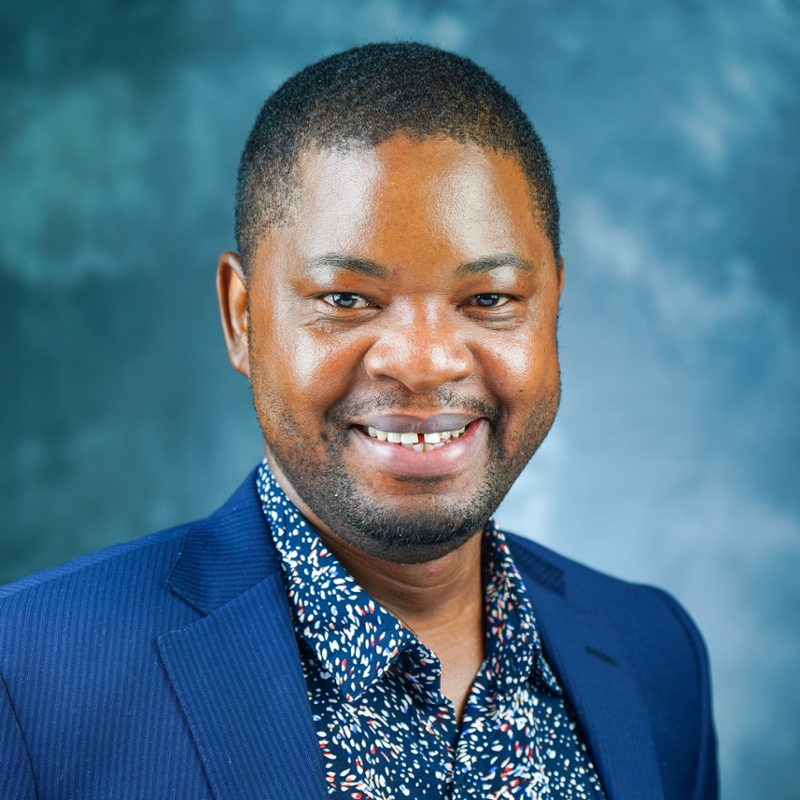 Generative Artificial Intelligence (AI) is rapidly transforming how college students learn, solve problems, and develop technical skills, yet its impact on actual student learning remains an important empirical question. This project will investigate how undergraduate students use generative AI tools, such as ChatGPT, and examine whether different patterns of AI use are associated with improvements in programming, problem-solving, and learning outcomes. Using a combination of surveys, pre- and post-assessments, student performance data, and quantitative data analytics, the research team will examine the relationships among AI use, AI literacy, self-regulated learning, and student performance. Undergraduate researchers will gain hands-on experience in research design, data collection, Python-based data analysis, statistical modeling, and visualization while contributing to an emerging area of AI and education research. The project has the potential to generate actionable insights for educators seeking to integrate generative AI into undergraduate education in ways that enhance—not replace—students' learning and independent problem-solving abilities.
Special Skills Taught: Students will develop a combination of technical, analytical, research, and professional skills that are increasingly valuable in an AI-driven workplace. On the technical side, students will gain hands-on experience with Python, pandas, data cleaning, exploratory data analysis, statistical analysis, data visualization, and potentially machine learning techniques. They will also learn how to design research questions and hypotheses, develop and administer surveys, analyze real-world educational data, interpret empirical findings, and communicate results through research papers and presentations. Equally important, students will strengthen soft skills including critical thinking, problem-solving, teamwork, collaboration, communication, project management, and responsible use of generative AI. By the end of the summer, students will have a tangible research project they can showcase in graduate school applications, internships, portfolios, professional interviews, and potentially a scholarly conference or publication.
Important Information for Students: No prior research experience is required. Students should have basic computer literacy and an interest in data, technology, education, or artificial intelligence. Familiarity with introductory statistics, programming, or data analytics is helpful but not required; students will receive hands-on training throughout the project. Most importantly, participants should be curious, willing to learn, able to work collaboratively, and committed to completing research activities throughout the summer.
Time commitment:4 hours credit, June 1-July 9, ~30 hr/week
Email me: rudy.bedeley@belmont.edu
Fluid-Structure Interaction Simulations of Transcatheter Aortic Valve Replacement Using IBAMR
 This project will involve computational modeling and simulation of transcatheter aortic valve replacement using IBAMR (http://ibamr.github.io/), an open-source distributed-memory parallel implementation of the immersed boundary (IB) method with support for Cartesian grid adaptive mesh refinement (AMR). These computationally intensive simulations will be run on the Department of Mathematics, Computer Science, & Data Science’s compute server, which runs Red Hat Enterprise Linux (RHEL) and utilizes 128 processor cores and 1 TB of RAM for high-performance parallel computing. The project will involve building the software and its dependencies via the terminal, writing C++ code that utilizes the IBAMR library to perform the simulations, and utilizing VisIt, an open-source visualization and data analysis software maintained by the Lawrence Livermore National Security, LLC for the Department of Energy's National Nuclear Security Administration (NNSA), to post-process and visualize the results. These simulations will allow for cutting-edge investigation of artificial heart valve design and performance, and this project provides an opportunity to apply mathematics, computer science, high performance computing, and foundational research and communication skills to biomedical engineering.
Special Skills Taught: Mathematical modeling and simulation, numerical methods, high performance computing, coding in C++, building open-source software in the terminal, academic research foundations, interdisciplinary project skills, professional scientific communication - both formal writing and oral presentation
Important Information for Students: CSC-1120: Programming 2 and MTH-1210: Calculus I are required for this project. MTH/CSC-4170: Modeling and Simulation and experience in upper-level CS electives would be excellent preparation for this project, though not strictly required.
Time commitment:4 hours credit, May 11 to June 17 (but please contact if other times are better), ~30 hr/week
Email me: jordan.brown@belmont.edu
Uncovering how and why AI agents fail
 This project will investigate the characteristics of Agentic Pull Requests (Agentic-PRs) authored by AI coding agents across thousands of real-world GitHub repositories. Using the AIDev dataset, which encompasses over 930,000 PRs generated by tools such as Claude Code, Cursor, Devin, GitHub Copilot, and OpenAI Codex, we will examine how these AI systems modify code, the nature of their contributions, and their consistency with accompanying descriptions. The analysis aims to uncover whether AI-generated patches tend to reuse or create new code and what this means for long-term maintainability. Ultimately, the study provides an empirical foundation for understanding how AI agents shape modern software development practices at scale.
Special Skills Taught: Natural Language processing, statistics, code writing, paper writing
Important Information for Students: Programing 2 prefered, minimal Programming I
Time commitment:4 hours credit, June 1-July 9, ~30 hr/week
Email me: esteban.parrarodriguez@belmont.edu
Neuroscience/Psychology
Social and Individual Determinants of Psychological and Physical Health
 The specific project conducted will depend on the interests of the Summer Scholars students. We will use survey research to examine the influence of social/environmental (e.g., relationships, stress) and individual (e.g., personality, sense of self) factors on psychological and/or physical health outcomes (e.g., sleep quality, anxiety, depression, life satisfaction). Students will create a study and develop surveys, collect data from participants, and conduct statistical analyses to test their hypotheses.
Special Skills Taught: Survey construction (using Qualtrics), data collection (using Prolific online platform), running and interpreting results of statistical analyses (using SPSS)
Time commitment: 4 hours credit, Ideal dates would be SURFS dates (June 1-July 9), but I'm open to being flexible as students may have different needs., ~30 hr/week
Email me: abigail.heller@belmont.edu
Psychology of Body Image, Objectification, and Gender
 This project will involve designing and conducting an online data collection examining how body image, objectification, identity, and gender influence the educational, physical, and social/emotional outcomes of adults (18+ year olds). Students will learn to develop research questions and hypotheses related to variables that interest them and design/conduct a study testing these hypotheses. After data collection is complete, students will learn how to select the appropriate statistical analyses and how to conduct them in SPSS or R. Finally, students will learn how to present their research for a conference-type setting. This project is flexible and easily adaptable to students’ specific interests!
Special Skills Taught: Literature review, study/hypothesis development, Data collection using Qualtrics/Prolific, Data Analysis in SPSS and R, presenting research
Time commitment: 4 hours credit, 6 weeks (June 1-July 9), ~30 hr/week
Email me: jessica.hocking@belmont.edu
Purpose in a Changing World: What Drives Us Now?

Special Skills Taught: understanding research, understanding motivation drives, survey design and analysis
Important Information for Participants: Reserach Methods required
Time commitment: 4 hours credit, 6 weeks (June 1-July 9), ~30 hr/week
Email me: dustin.keller@belmont.edu
Behind the Confidence: Exploring Leadership and Self-Doubt
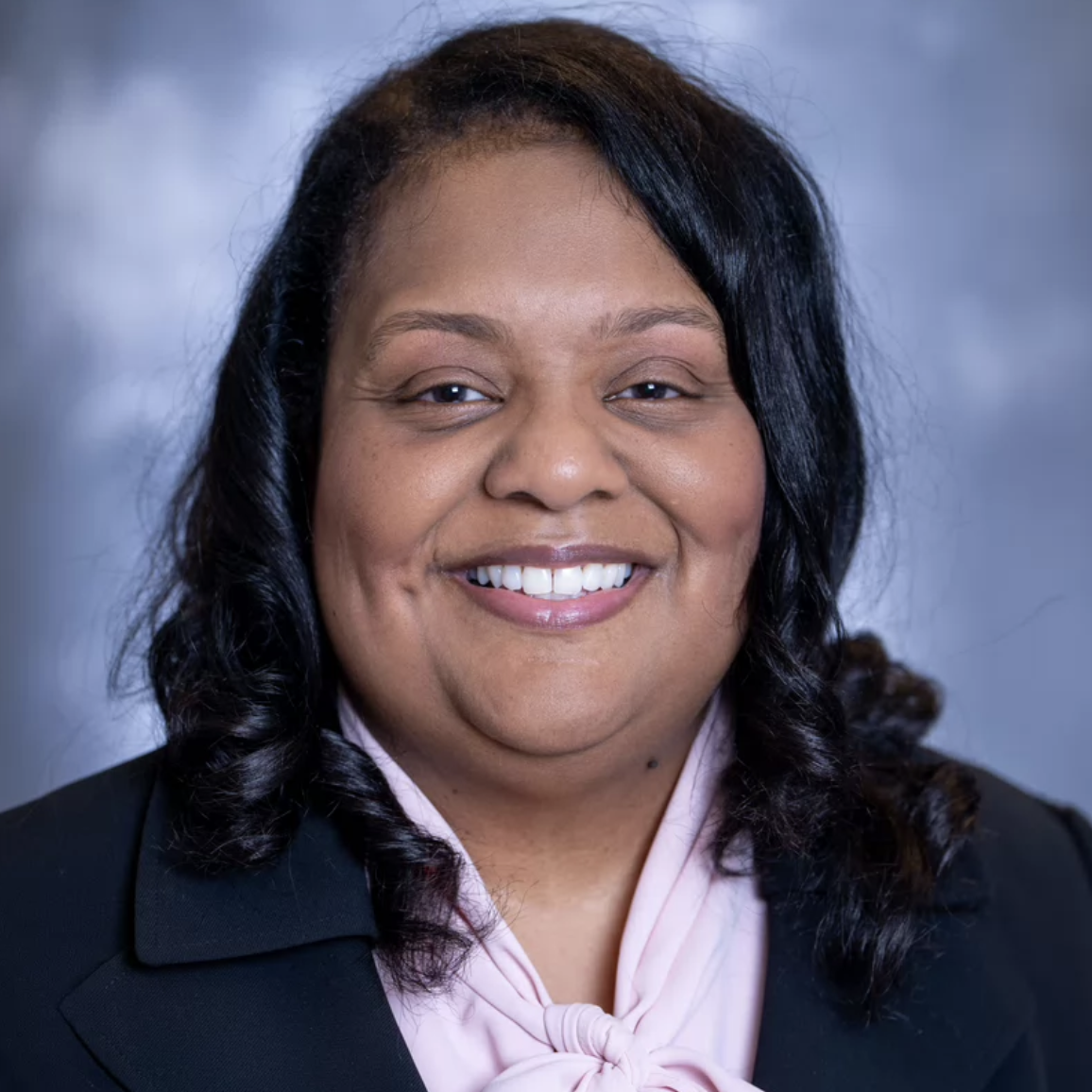 Do leaders always feel as confident as they appear? Join this Summer Scholars project as an undergraduate researcher to explore insecurity and imposter syndrome in leadership across workplaces and organizations. We’ll examine how fears of inadequacy, self-doubt, and pressure to appear competent relate to how people lead, make decisions, and connect with others. Students who join will gain hands-on research experience while investigating what happens behind the confident exterior of leaders—and what helps them navigate uncertainty.
Special Skills Taught: Understanding research, survey design and analysis, and data analysis and interpretation
Time commitment: 4 hours credit, 6 weeks (June 1st to July 9th), ~30 hr/week
Email me: tammy.mattison@belmont.edu
Brain wave Activity and Cognitive Performance
 In this work, we will explore the neurophysiological underpinnings of individual differences in cognitive performance. We will use electroencephalography (EEG) to assess brain wave activity in response to various cognitive stimuli. Cognitive domains explored include: memory, attention, language, visuospatial navigation, and more.
Special Skills Taught: EEG net application, EEG experiment setup, ERP data processing, coding, etc.
Time commitment: 4 hours credit, June 1-July 9, ~30 hr/week
Email me: michael.oliver@belmont.edu
Effects of dexamethasone and MK-801 on zebrafish development, cardiac function, and stress-related behavior

Special Skills Taught: Zebrafish embryo handling and staging, solution preparation and drug dilution, microscopy, behavioral observation, imaging, and data analysis
Important Information for Participants: Gen Bio I and Intro Neuro are required, Neurobiology is optional but helpful.
Time commitment: 4 hours credit, June 1-July 9, ~30 hr/week
Email me: jinhee.park@belmont.edu
Contact Us
College of Sciences & Mathematics
1900 Belmont Boulevard
Nashville, TN 37212
Phone: (615) 460-6417