
The second annual SPARK symposium proved that curiosity doesn't belong to any one field
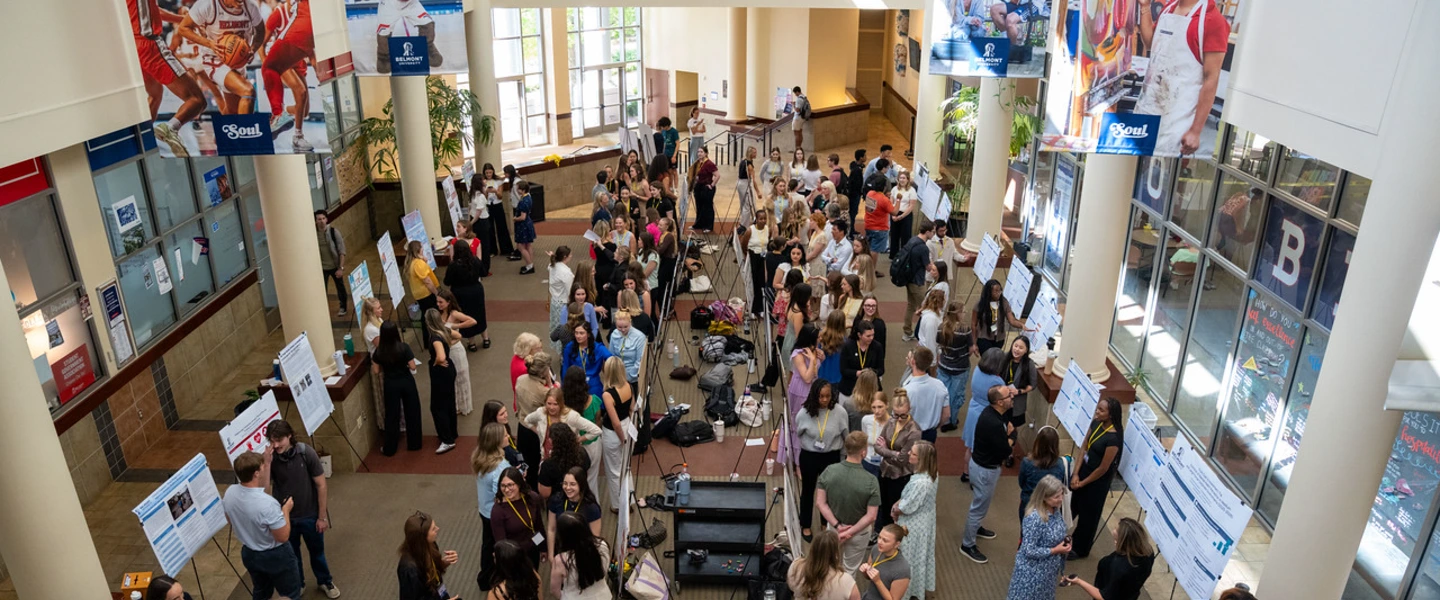
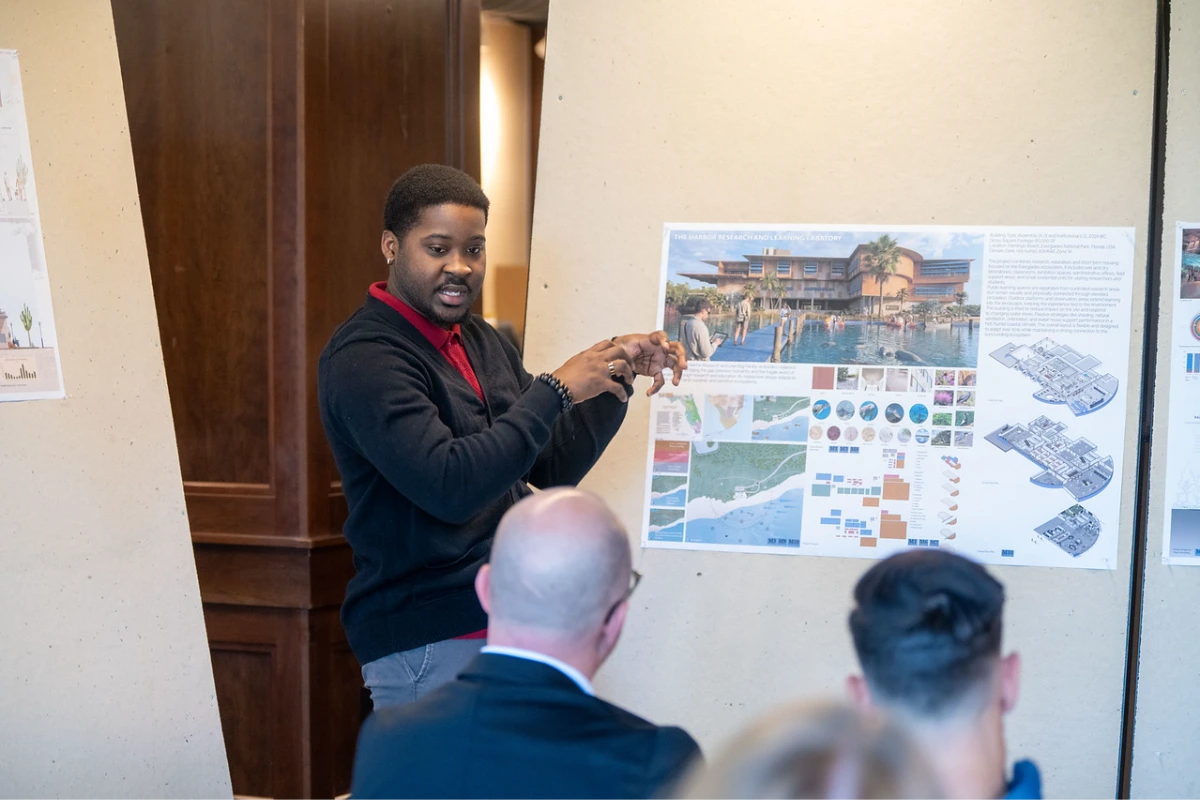
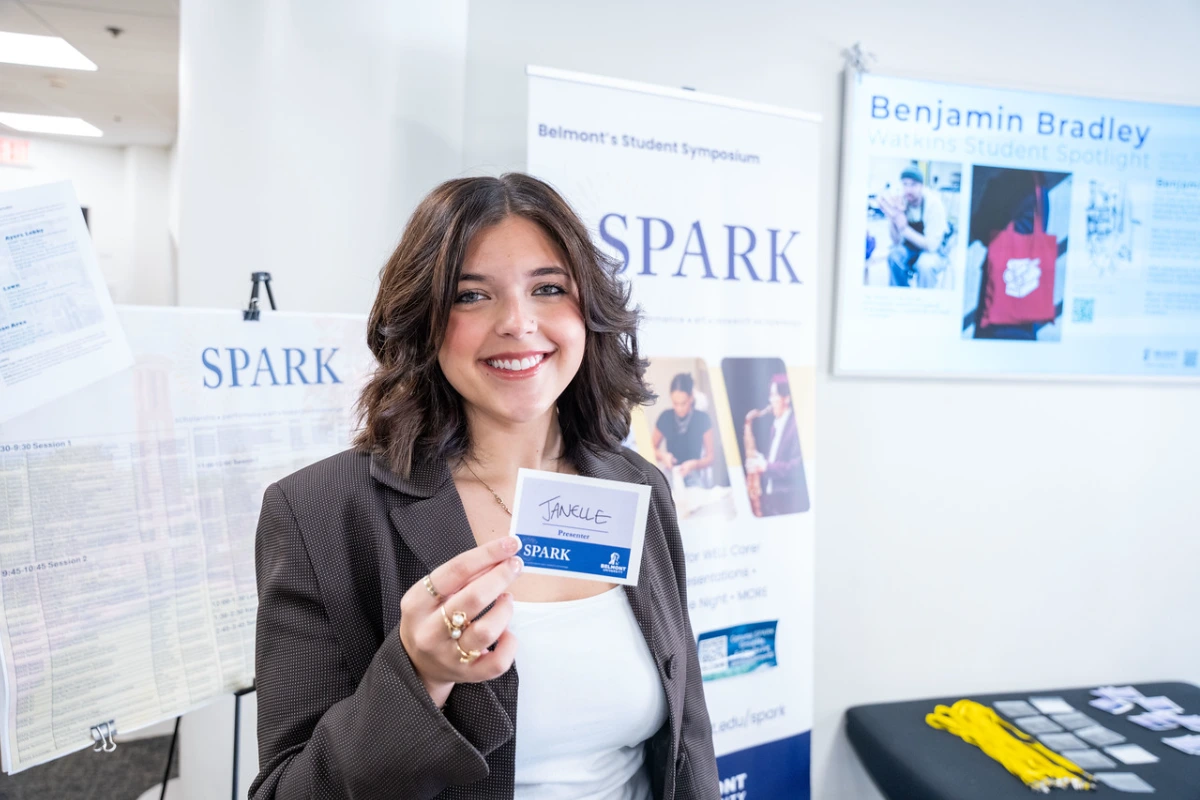
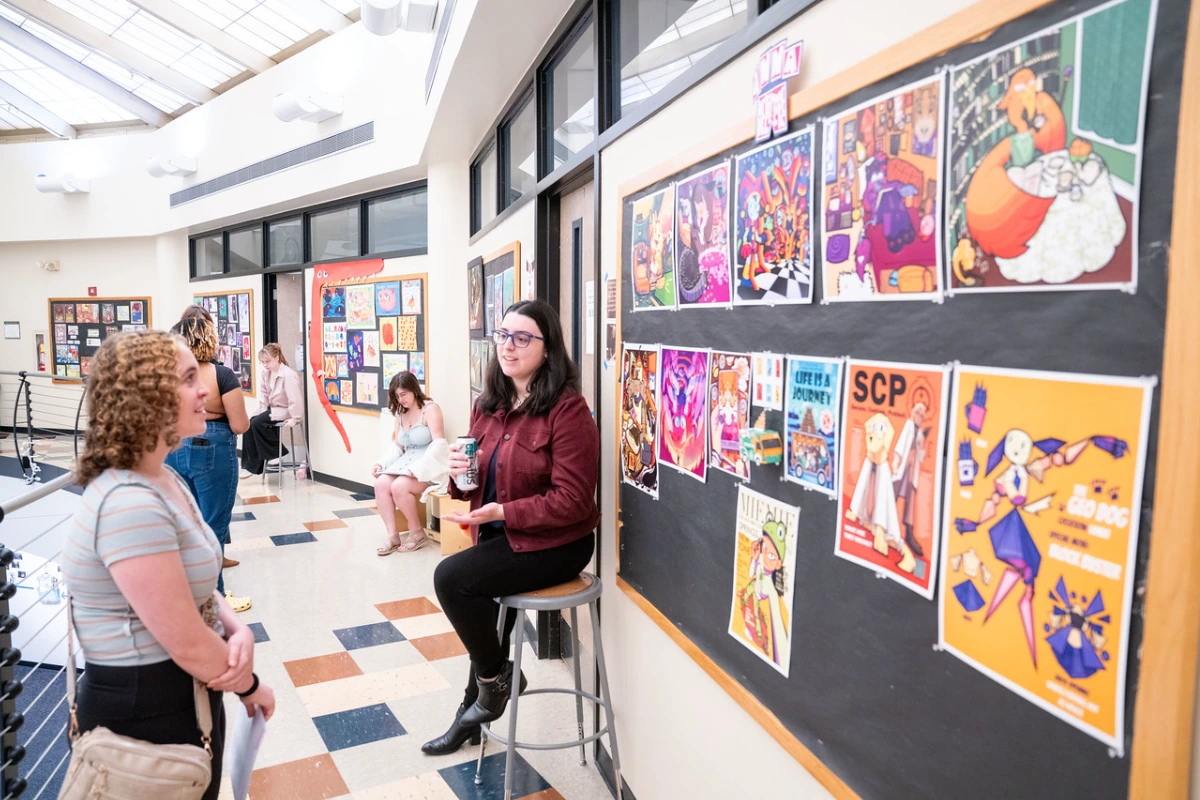
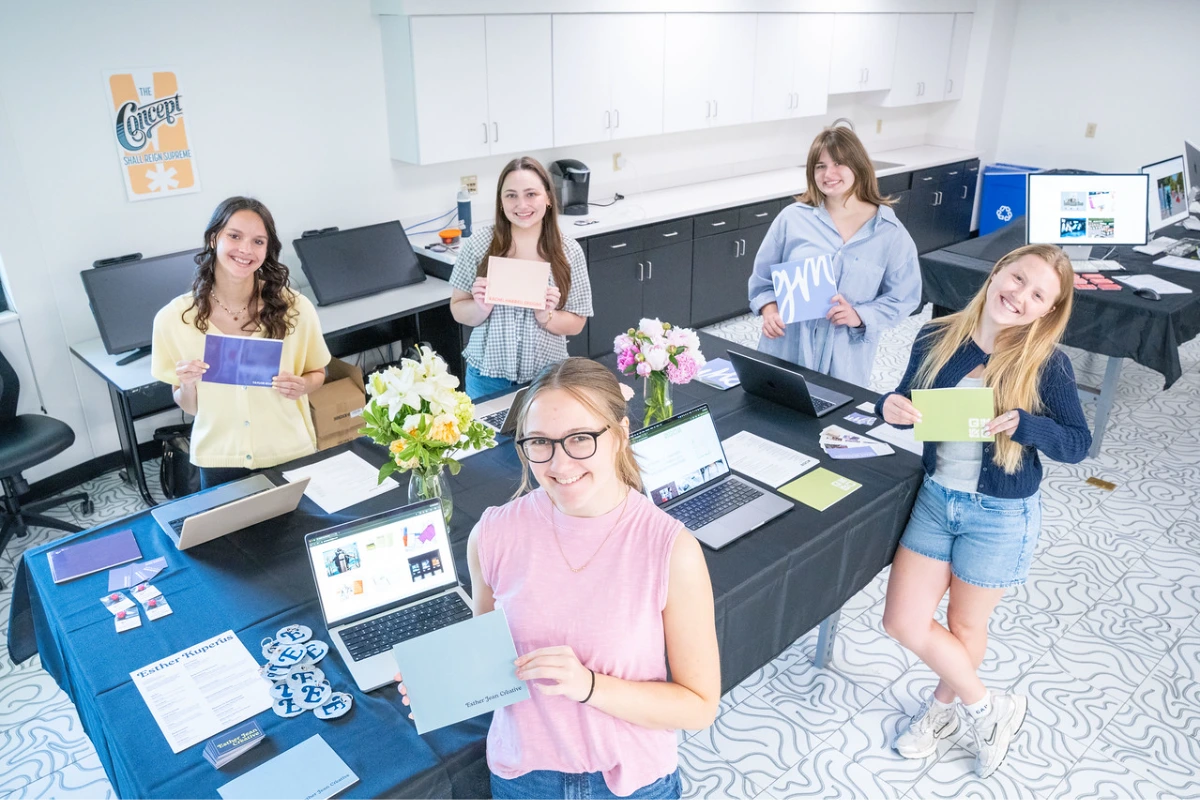
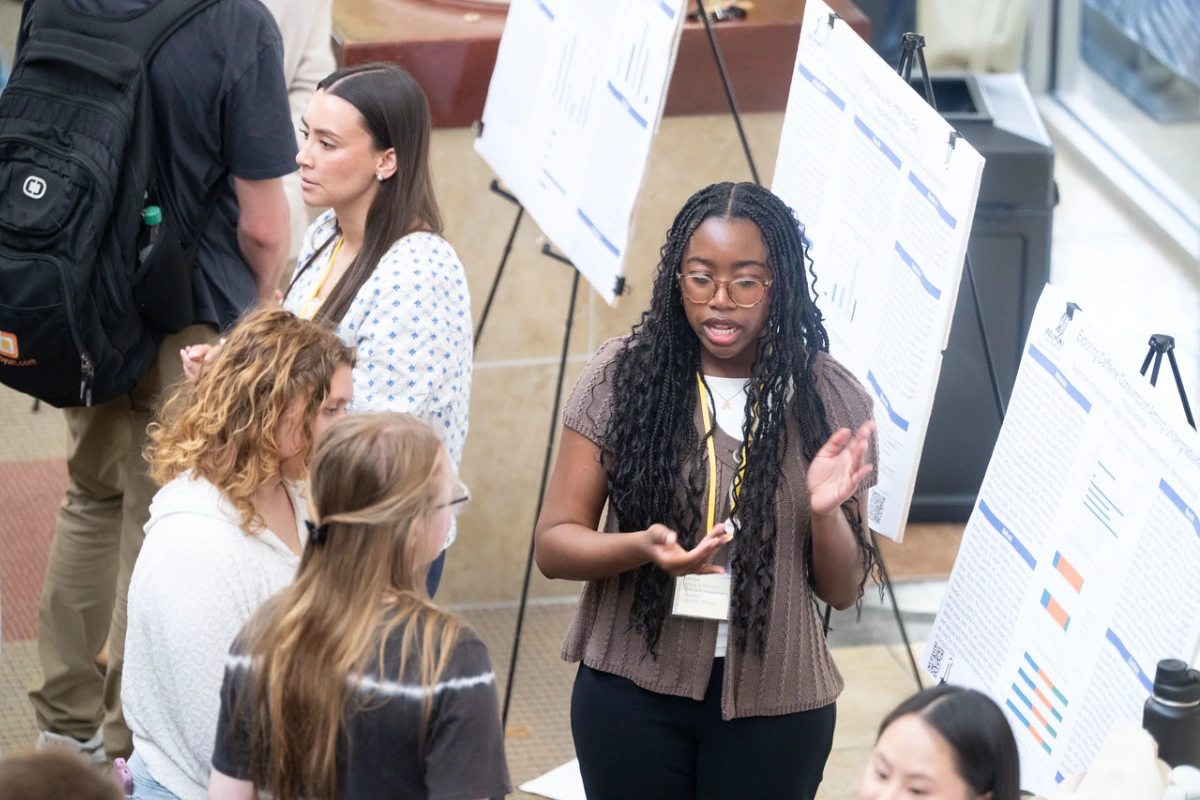
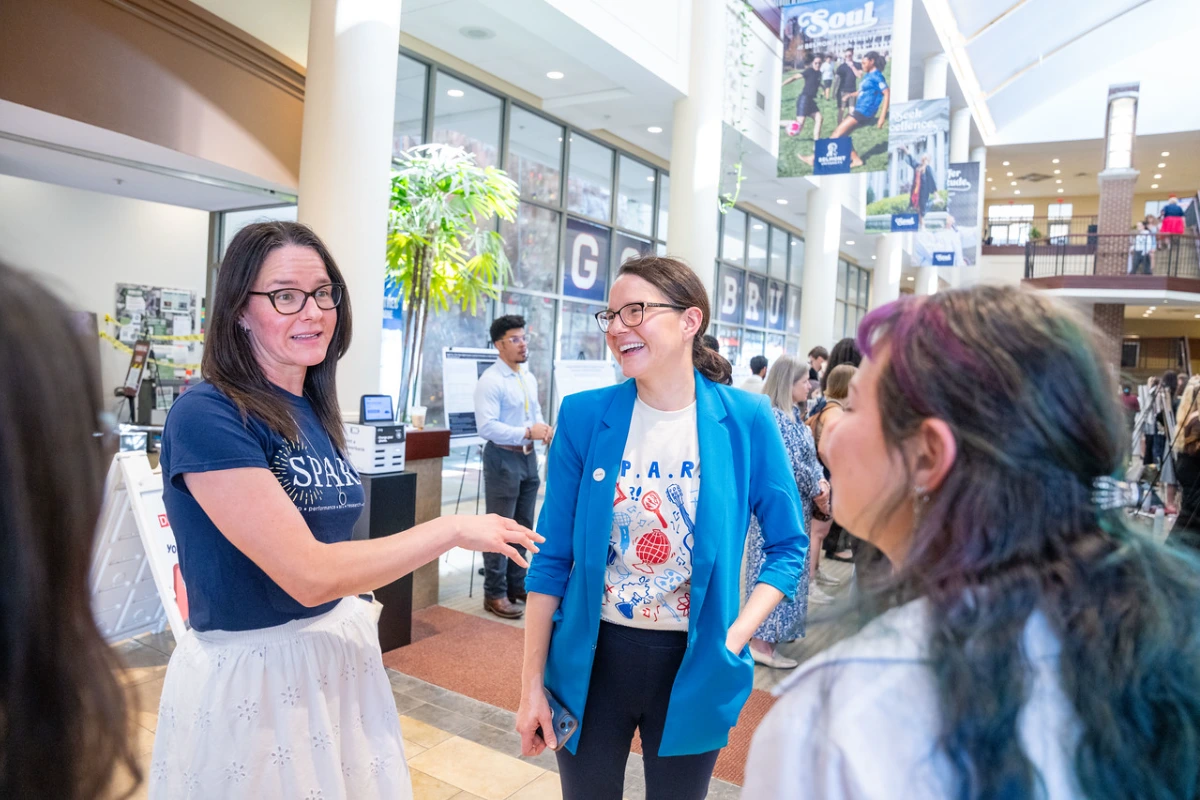
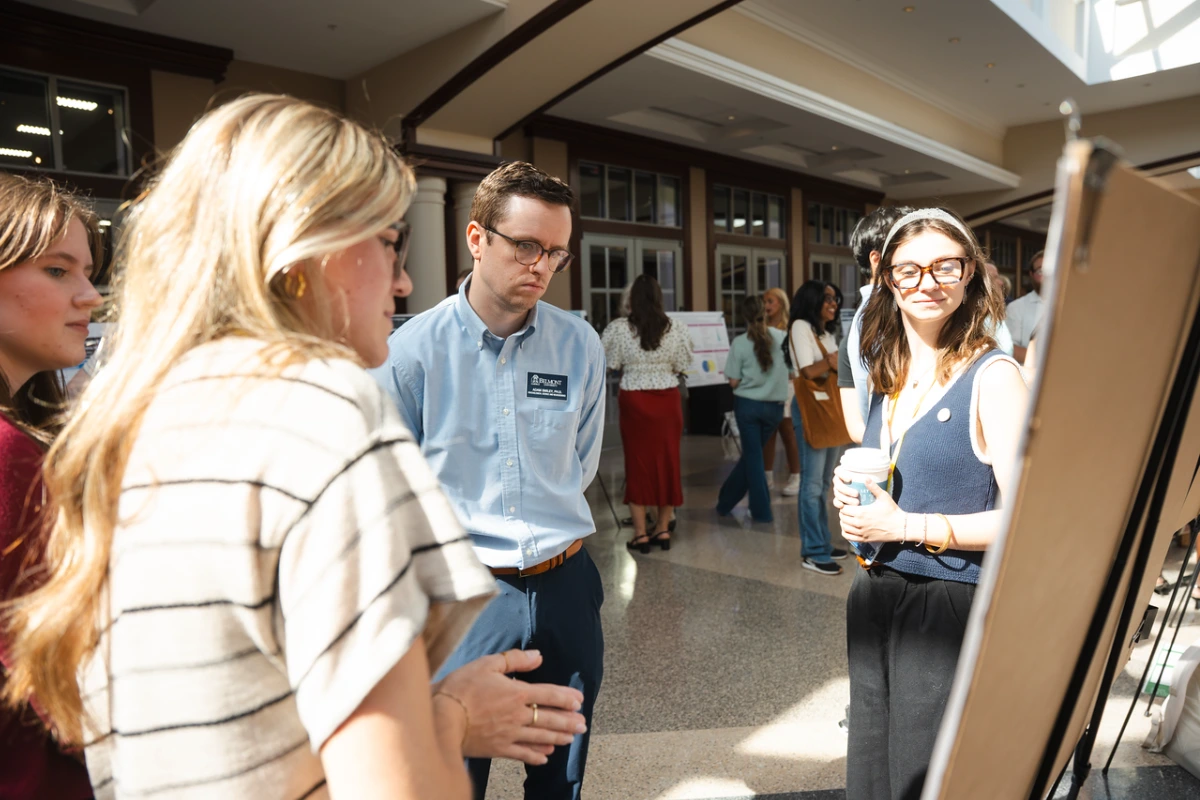
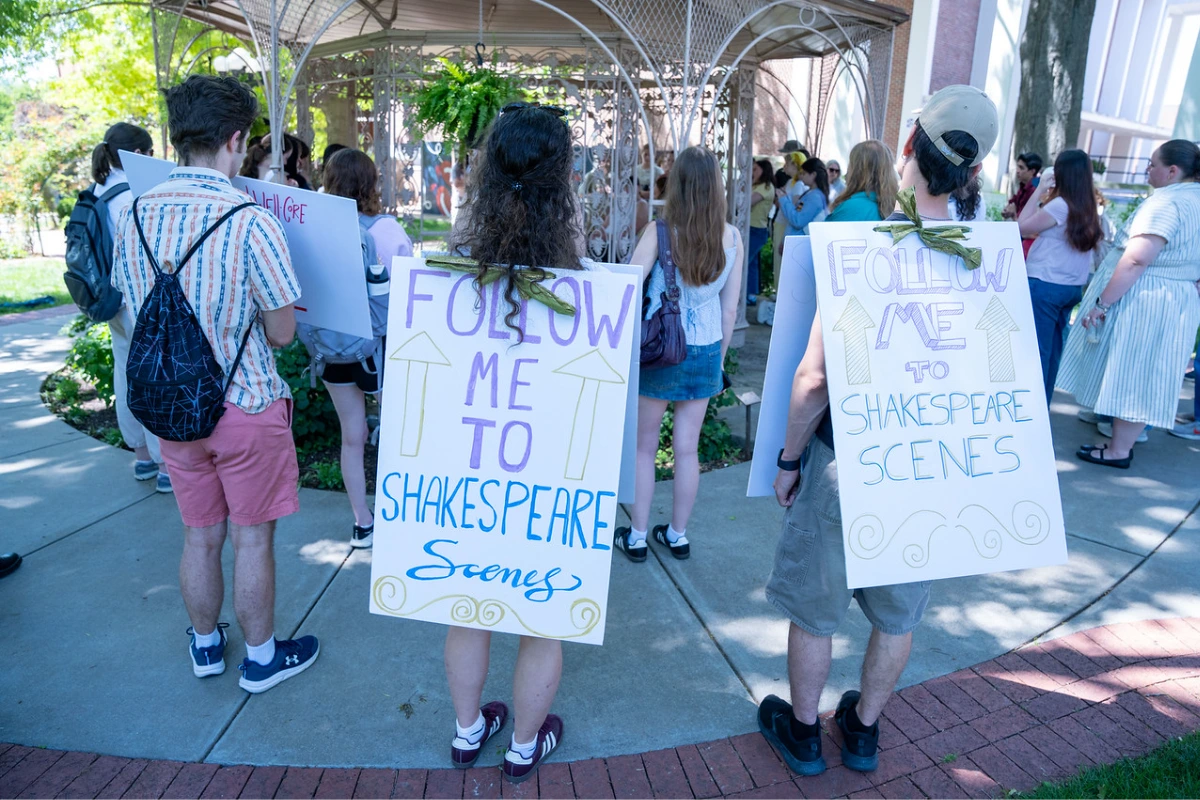
This April, Belmont replaced a regular class day with something altogether different. Across campus, students gathered for the SPARK Symposium, presenting original work spanning science, performance, art, research and knowledge — the five pillars behind the SPARK acronym — in what has quickly become one of the University's most distinctive traditions.
SPARK works because it refuses to rank curiosity. A choreographed meditation on time carries the same weight as an honors research project. A freshman's essay on Victorian mourning belongs in the same conversation as a senior's two-year lab project. In only its second year, the symposium drew presenters from all 13 of Belmont's colleges, with students stepping up to poster boards, stages, gallery walls and lecterns to share work they'd spent a semester — or in some cases, multiple semesters — building. Four of those students represent everything SPARK was designed to celebrate.
Ellis Stafford, Biochemistry and Molecular Biology (‘26)
Ellis Stafford, a biochemistry and moleculary biology major, came to SPARK with three presentations — and nearly two years of research behind one of them.
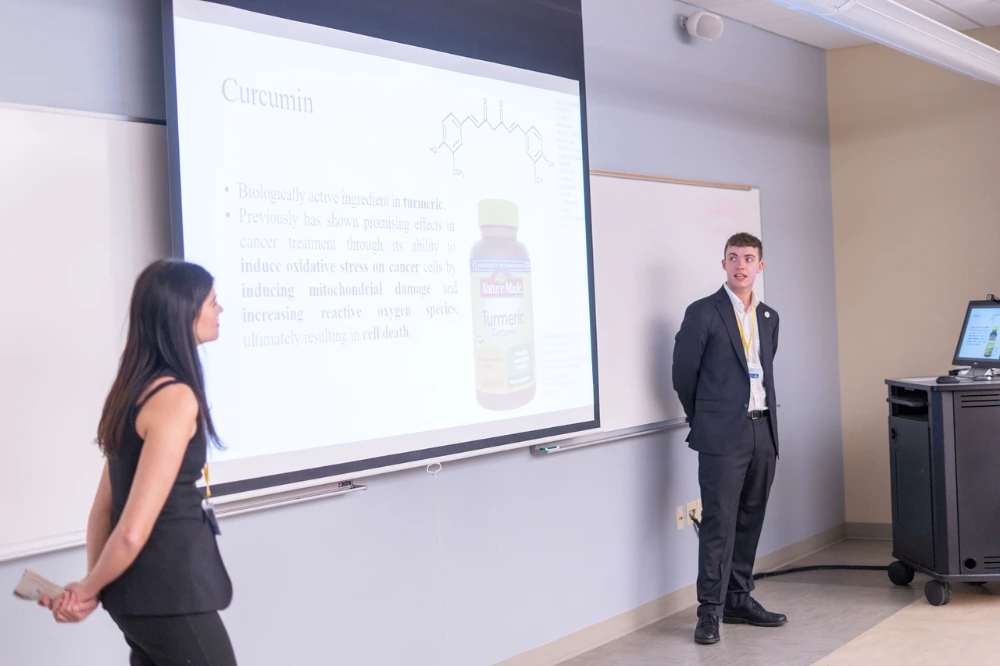 For the past two years, Stafford has been investigating whether curcumin, the active compound in turmeric, can work alongside a standard chemotherapy drug called cisplatin to more effectively treat osteosarcoma, a rare and aggressive bone cancer. Cisplatin works — but it causes irreversible nerve damage in patients within months of treatment. Stafford wanted to know if a lower dose, paired with curcumin, could be just as effective with fewer consequences.
The answer, so far, looks promising. His research has shown the combination treatment produces more tumor suppression than cisplatin alone, and his team is now working toward a publishable manuscript.
"We shouldn't accept things at face value," Stafford said. "We can always improve things and keep pushing the needle — and why not you? I'm an undergrad who decided I want to improve how we treat bone cancer. Anything is possible."
His other two presentations reflected a different side of science: a murder mystery toxicology experience designed to show audiences that science can be playful, and a psychology study examining whether cognitive distraction affects how we perceive flavor.
Stafford is applying to medical school with a focus on orthopedics and sees scientific communication as central to that calling. For him, a platform like SPARK — one that puts research in front of an entire campus, not just a lab — is the point.

"If you learn something, that's great, but if everyone learns it, then everyone can benefit from it. Being able to share my research and findings with people is something that is equally as important to me as actually doing the research itself."
Conner Boggs, Theatre Education (‘27)
SPARK offered that same platform to students whose work doesn't fit the traditional mold of research. For junior Conner Boggs, it was a chance to show how theatre education is moving the needle in its own right.
The ttheatre education major presented three times during the symposium. His honors research project centered on a semester-long partnership with Nashville Children's Theatre, where he helped support the organization's educational programming after a significant staff transition. The experience gave him an early look at what a career in educational theatre actually requires. 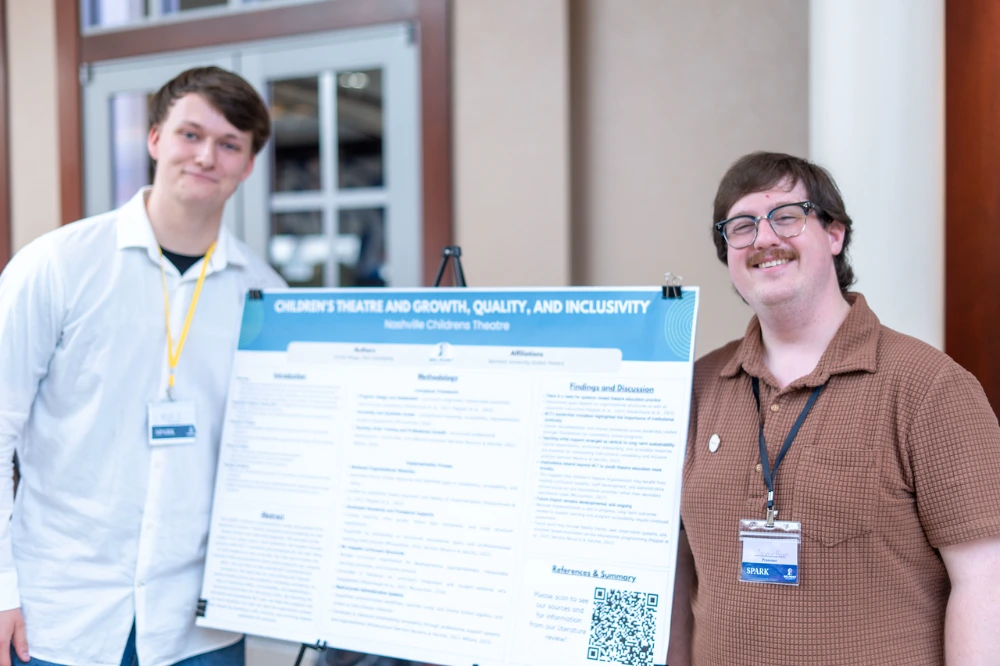
"Yes, you have to be a good theatre artist," Boggs said, "but you also have to be a good businessperson. You have to be able to communicate effectively and have incredible planning skills."
His second presentation tackled a timely question: how can AI serve theatre education without replacing the creativity at its core? Currently teaching a scriptwriting class to students ages 8–12 at Christian Youth Theatre in Franklin, Boggs argued that AI works best as a prompt generator — a tool to help young writers push through creative blocks without putting words in their mouths.
His third presentation explored how COVID-19, despite shuttering theatres worldwide, actually pushed the art form back to its roots. Stripped of elaborate sets and costumes, theatre moved to Zoom and outdoor stages, forcing artists to rely on human connection alone.
"You don't need something incredibly big to make a lasting impact," he said.
Nashville Children's Theatre was so impressed with Boggs' contributions that they invited him to continue as a paid intern in the fall.
Leah Mella, Fashion Design (‘29)
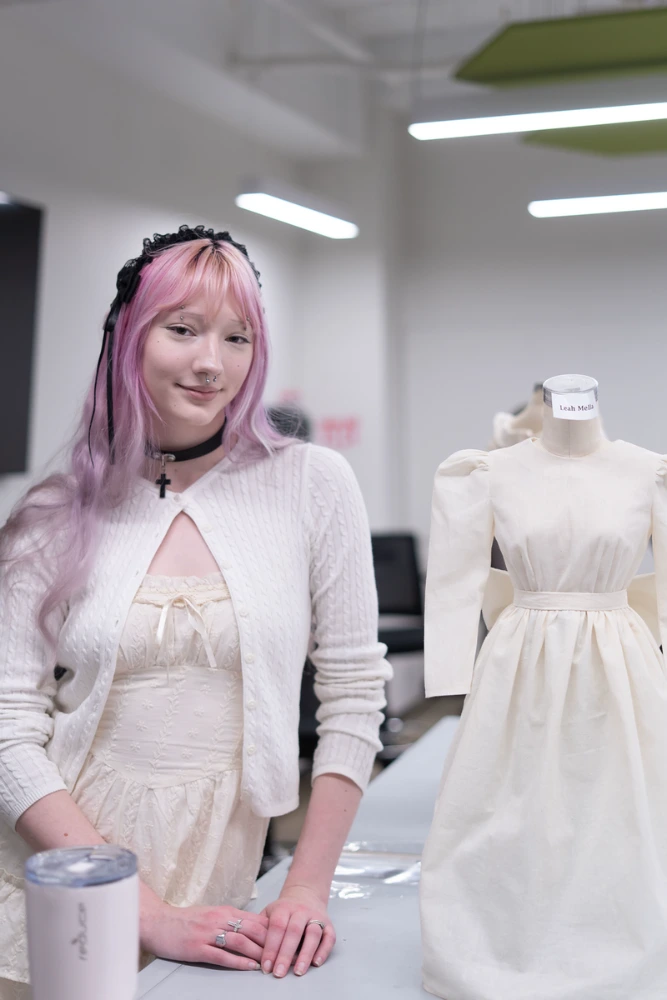 Not many first-year students arrive at SPARK with three presentations, but Leah Mella did.
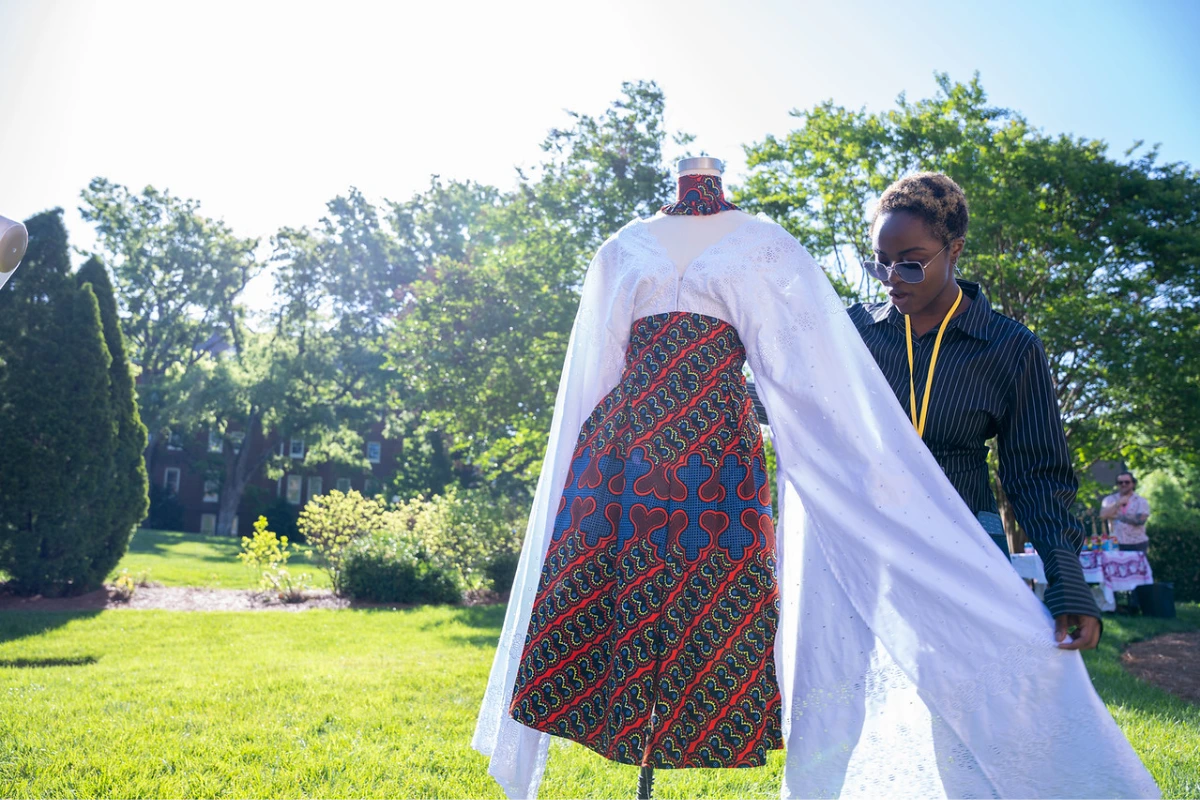
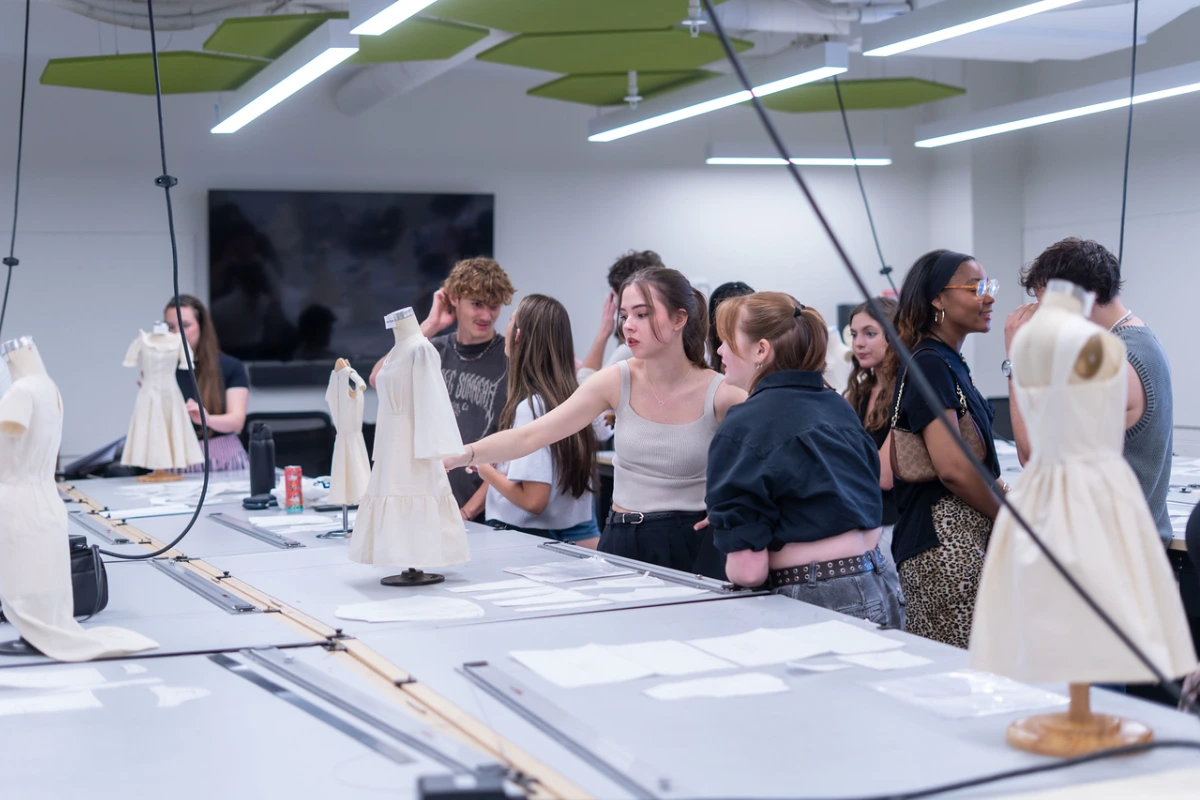
The freshman fashion design major presented an award-winning essay on the history of Victorian mourning culture — a natural extension of her lifelong interest in antiques and the Victorian era — which earned the Annette Sisson Award through the Belmont’s First Year Seminar program. She also co-presented a science poster on bio-textiles, focusing specifically on bacterial cellulose fabric, a cutting-edge material grown from bacterial byproducts. Her third presentation was a miniature half-scale dress she constructed in her Flat Pattern I course, drawing on Victorian silhouettes and the dart clusters technique.
Mella saw SPARK as a great opportunity to showcase her work while connecting with fellow classmates.
"Building confidence in presenting and public speaking is such a crucial skill in almost any career," she said. “SPARK gave me several chances to practice that.”
Laurel Crain, Communications Studies (‘26)
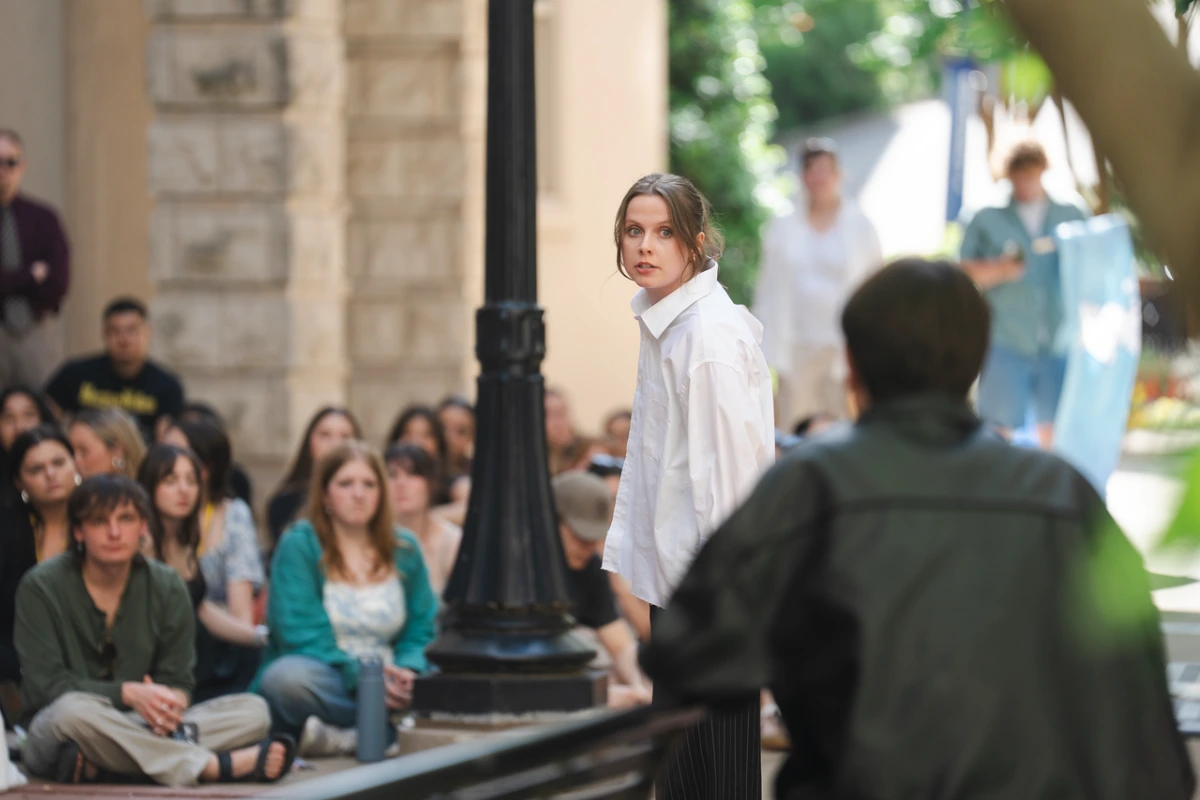
Senior Laurel Crain's SPARK presentation didn't involve a poster or a slide deck. Instead, it involved a stage.
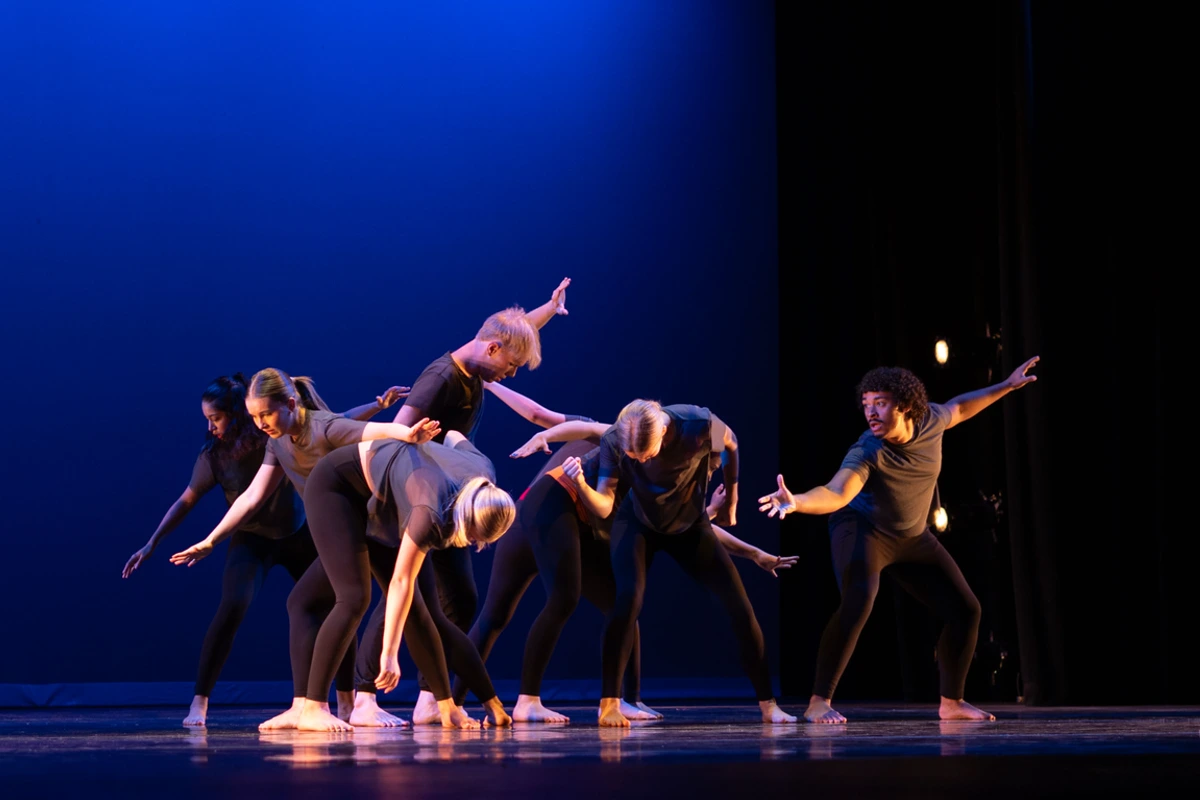
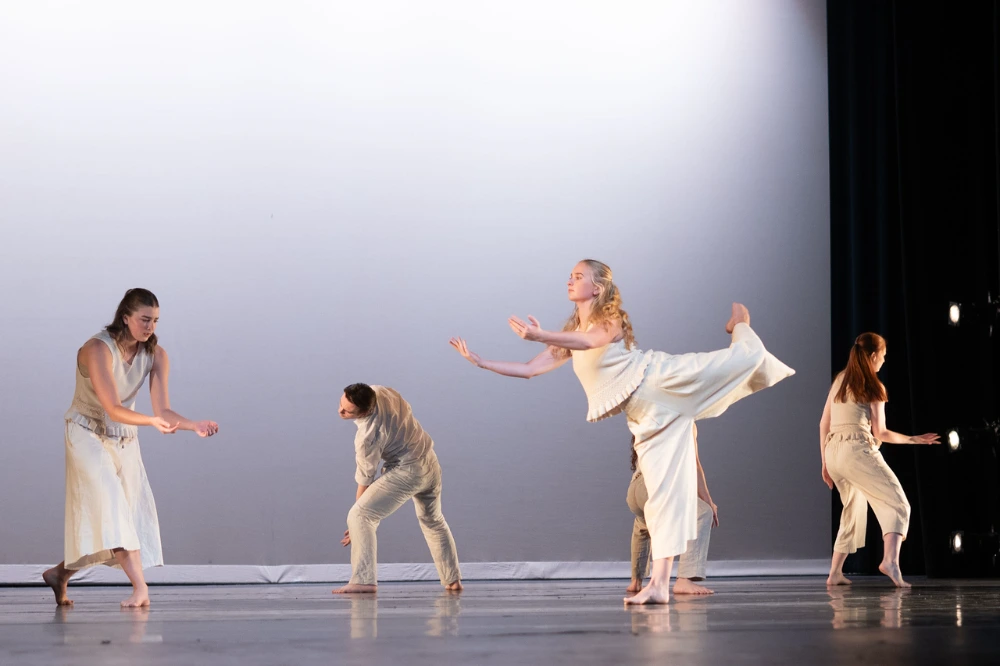 The senior communications studies major, who minors in dance and education, performed an original piece during the Dance Compositions on Stage session — a choreographed work built around the feeling of time slipping away. The concept grew organically out of a journaling practice in her dance course, where she found herself writing again and again about her four years at Belmont and the strange weight of an approaching graduation.
"I really wanted to capture the joy, frustration, acceptance and all the complexities that occur when time seems to pass by too quickly," she said.
For Crain, performing at SPARK in her final year felt like a fitting close to a chapter. Dance has been part of her life as long as she can remember, and she wanted the audience to leave with something universal.
"Time passing and change is an inevitable part of life," she said. "I hope my performance left people with that realization."
Her presence in the symposium also points to something important about what SPARK is designed to do.
"Research can be embodied and artistic," Crain noted. "Performances allow us to communicate ideas and emotions that a poster or presentation sometimes can't."
SPARK Keynote: Destin Sandlin of Smarter Every Day
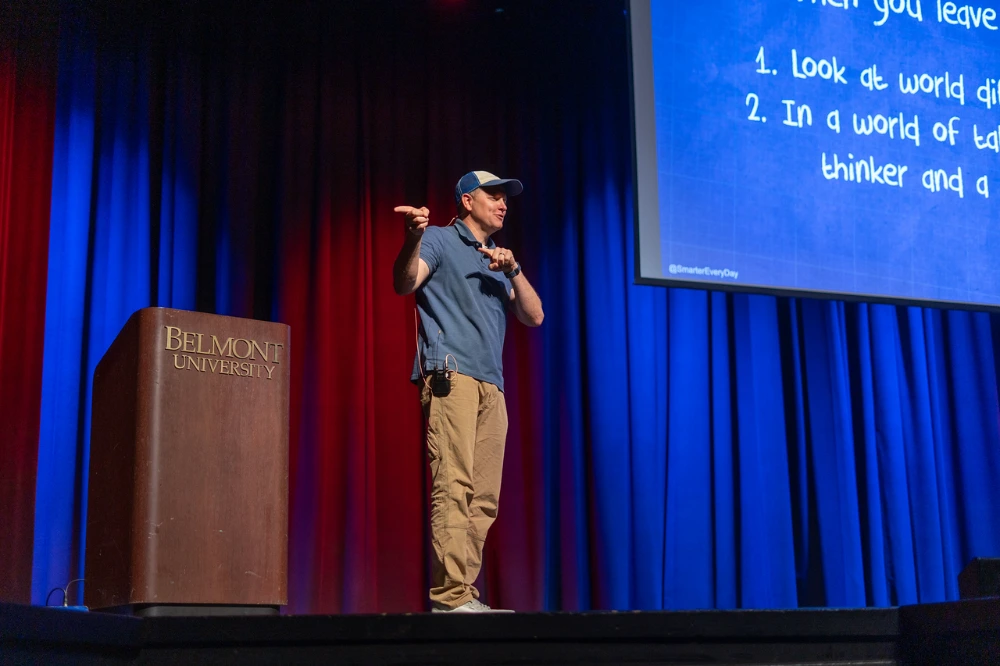 The 2026 SPARK keynote was delivered by Destin Sandlin — aerospace engineer, father and creator of Smarter Every Day, a science YouTube channel with 11 million subscribers and more than one billion views. His talk, "How to Be a Lifelong Student," was less a lecture than a live demonstration of the thing he was describing.
Sandlin opened with a series of deceptively simple experiments — like a balloon in an accelerating van and a slow-motion cat — to illustrate the difference between knowing something and truly understanding it. The distinction became his throughline. "Knowledge is not understanding," he said. "If you can explain it to a five-year-old, then you can start to understand."
From there, Sandlin turned his attention to the forces working against that kind of deep learning: the attention economy, algorithmic social media and the erosion of what he called soft skills — the ability to look someone in the eye, ask for honest feedback and navigate a situation no app can solve. He urged students to go on offense, seek out discomfort and resist the pull of cognitive surrender.

“To be a lifelong student, this is what I’d recommend. Be curious, and not curious just to make a grade. Anyone can use ChatGPT to get the points. But when you leave this place, you’ll take your understanding with you. When you understand something, you own it.”
One Day, Every Discipline
Belmont encourages students across every college to dig deeper into their fields, support their peers and bring their best work into the open — and SPARK is what that looks like in practice. From bone cancer research to original choreography, the second annual symposium made one thing clear: at Belmont, curiosity doesn't belong to any one discipline.
Want to experience SPARK for yourself? Belmont student Quinn Wells captured the day in a recap video that says it all.
Learn More
Dive deeper into SPARK