
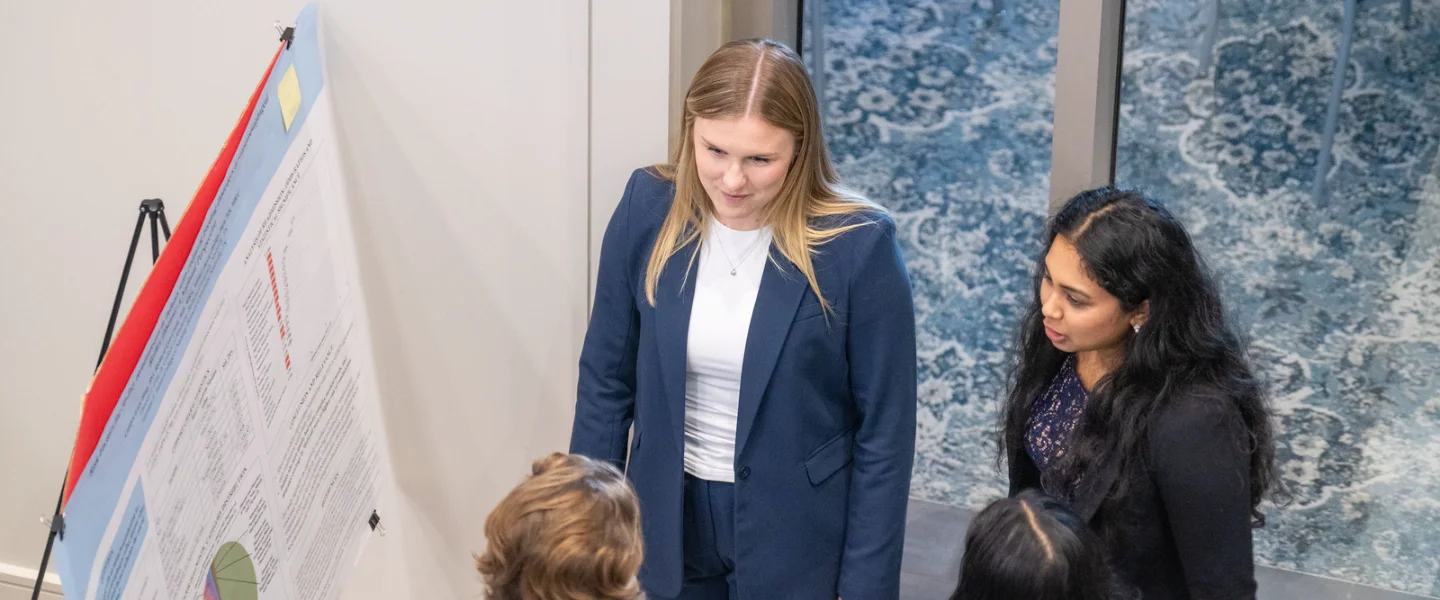
From anatomy labs to clinical rotations, one of Belmont’s inaugural medical students has spent two years learning medicine and shaping the program teaching it
Throughout their four years of medical school, we are keeping up with members of the inaugural class of the Thomas F. Frist, Jr. College of Medicine. These students, each with their unique backgrounds, aspirations and perspectives, are not just pursuing their dreams of becoming physicians — they're helping to shape the future of medical education at Belmont University.
Now in their second year, they are moving from foundational coursework into clinical rotations, taking their first board exams and stepping into the hospitals and clinics where they will train as future physicians. Their stories offer a window into the evolving world of medical education and the innovative approach of Belmont's newest college.
Read Caitlyn's first-year profile to see where this journey began
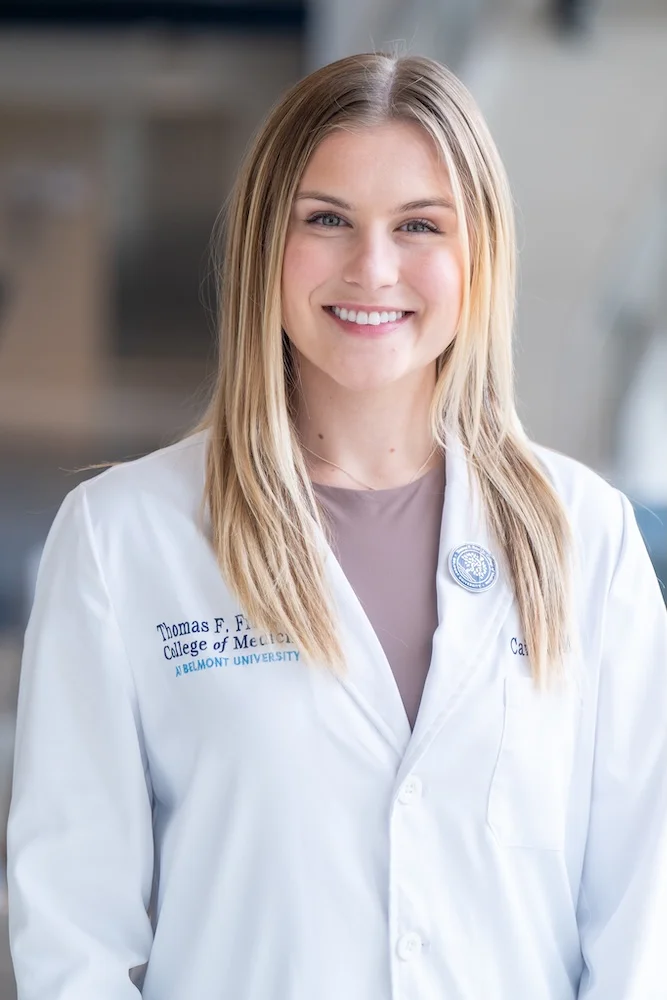 Two years after beginning her journey at Belmont University’s Thomas F. Frist, Jr. College of Medicine, Caitlyn Luce Bing is on the brink of a major transition.
From navigating her first anatomy labs and foundational coursework as a member of Belmont’s inaugural medical student cohort, she is now preparing for her first board exam and the start of clinical clerkships, a milestone that marks the shift from classroom learning to hands-on patient care.
In the time since her first semester, Bing’s life has changed in other ways as well. She married her husband in January of 2025 — a celebration she navigated while balancing the demands of being a first-year medical student.
“So much has happened since we last spoke,” Bing said. “We’re moving into a completely different stage of medical school.”
Embracing a New Way of Thinking
Like many medical students, Bing quickly discovered that success requires a mindset shift. Surrounded by classmates who had excelled academically for years, she realized early on that the traditional measures of achievement no longer applied in the same way.
“You come into medical school with people who have all been at the top of their class their whole lives,” Bing said. “Suddenly you’re not trying to be the best in the class, you’re just trying to pass.”
That adjustment, she said, can be one of the most difficult parts of medical education.
“The sooner you stop focusing on what everyone else is doing and start focusing on your own progress, the easier it gets,” she said.
Over time, she and her classmates began leaning on one another’s strengths, collaborating across different subjects and supporting each other through the rigorous academic schedule.
“Medical school kind of feels like a prank from older physicians,” she joked. “They’re firehosing you with information so you realize you’re never going to know everything, and that you’re going to have to ask for help.”
Helping Shape a New Medical School
As a member of Belmont’s inaugural medical class, Bing and her peers have played a unique role in shaping the culture and structure of the new college. 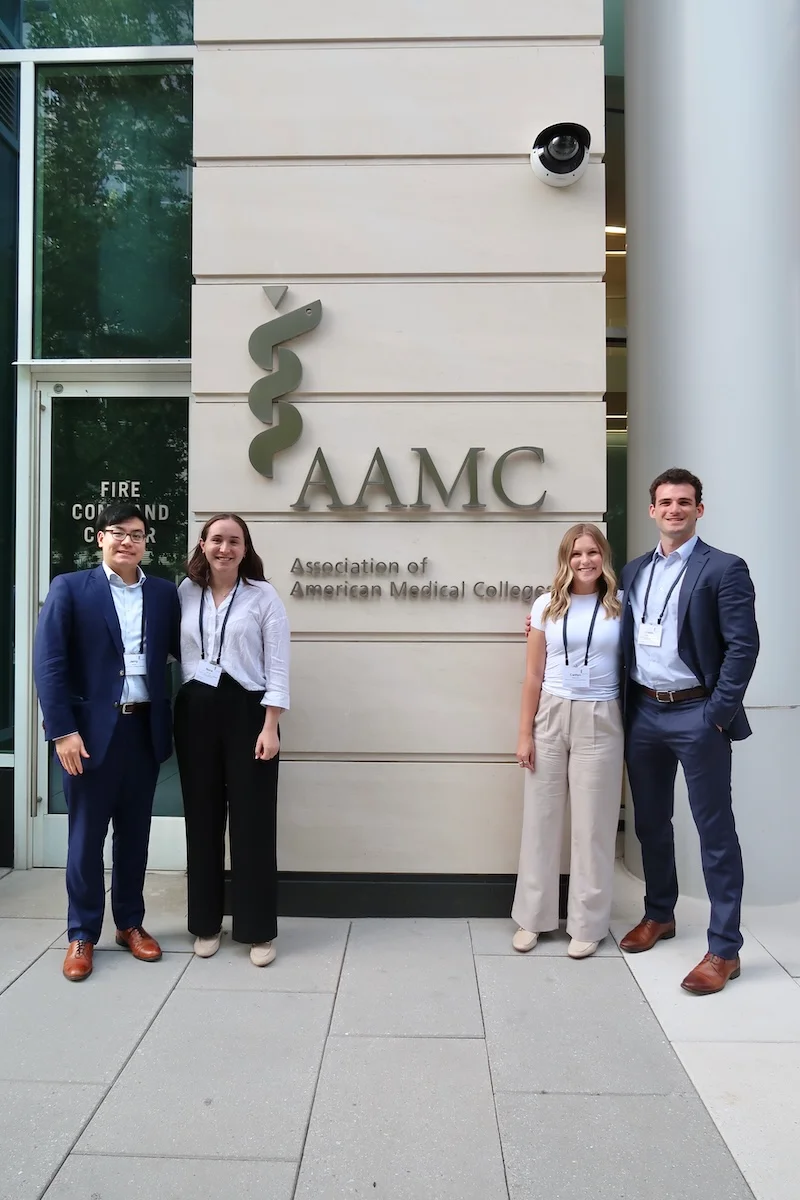
In addition to her coursework, Bing serves on the class Executive Council, where she helps represent student perspectives and advocate for improvements within the curriculum.
“It’s really cool to help shape how things are done,” she said. “The faculty genuinely want to hear our perspectives, and they actually act on our feedback.”
One of the council’s most significant accomplishments involved changes to how students take their clerkship exams. Originally, students were expected to take a single exam at the end of each clinical block. Through discussions with faculty leadership, the class advocated for a more flexible system.
“We worked with the administration to create two opportunities to take each exam — one halfway through and one at the end,” Bing said. “Your higher score replaces the other one.”
The change, she said, is indicative of the collaborative environment that has defined the college’s early years.
“At a more established school, they might say, ‘We’ve done it this way for 50 years,’” she said. “But here we’re all building something together.”
From Pioneer to Mentor
This year also marked another milestone for the inaugural class: the arrival of Belmont’s second cohort of medical students.
For Bing, that shift has brought new opportunities for mentorship. She now helps lead peer academic sessions for first-year students, walking them through practice questions and study strategies ahead of exams.
“Our class is realizing that we’re setting the example for what this program will look like moving forward,” she said.
Beyond academics, Bing also serves as a house leader within the college’s house system. The house system divides the medical students into three communities, each named after a historical figure in medicine, where faculty advisors help foster connection through meetings on topics like professionalism and burnout. Bing stewards those connections and conversations as a house leader, a role that took on new meaning when the second class arrived.
“It’s been really fun getting to support the M1s and answer questions that we had just a year ago,” she said.
Summer Research Experience
Beyond coursework, students at Belmont’s Thomas F. Frist, Jr. College of Medicine have opportunities to pursue research and elective learning experiences during the summer months between academic years. For Bing, that opportunity became a chance to explore her growing interest in pediatrics.
 Last summer, she partnered with faculty member Dr. Richard Lyn-Cook on a research project examining hospitalization risk factors for infants with gastric acid reflux. Using a newly acquired clinical database, Bing spent several weeks analyzing patient data and identifying patterns in disease outcomes.
“I knew I wanted to do something during the summer that aligned with my interests,” Bing said. “When this project came up, it felt like the perfect opportunity to dive into pediatric research.”
The experience also highlighted one of the advantages of being part of Belmont’s inaugural medical class.
“Because the program is new, faculty were really excited to involve students in their ideas and projects,” she said. “It created opportunities that might be harder to come by at a larger, more established school.”
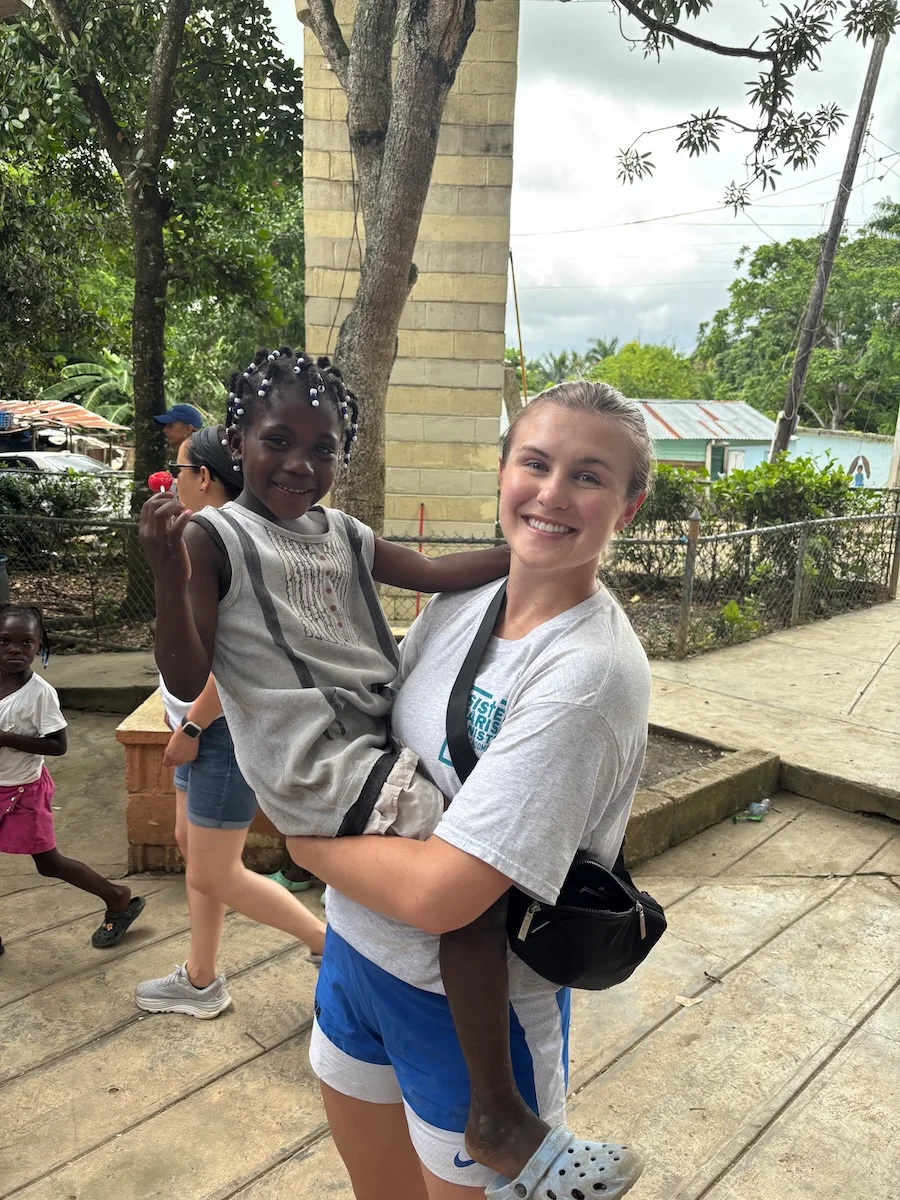
That same summer, Bing also traveled to the Dominican Republic on a mission trip — her second time making the journey. Though not medically focused, the experience reinforced something she hopes to carry into her career.
"Every time I go, it really lights a fire for health care access and how important that is," she said. "It's always eye-opening to see how we can bring cultural humility back to the states."
Faith, Wellness and Community
One aspect of Belmont’s medical program that has remained especially meaningful for Bing is the emphasis on wellness and spiritual formation, a theme that first drew her to the university.
Throughout the academic year, students gather regularly with faculty members for Bible studies, often hosted in professors’ homes.
“They’ll invite us over for dinner, and then we’ll talk about different moments in medicine where faith has guided them,” Bing said. “It’s a really open space to ask questions and have honest conversations.”
Those gatherings have helped strengthen relationships between students and faculty, she said, creating a sense of community that extends beyond the classroom.
“I don’t think that’s something you see everywhere,” she said. “It’s created really meaningful connections with our professors.”
Looking Ahead to the Wards
As Bing prepares to begin clinical rotations, she is eager to step outside the lecture hall and into the hospital. 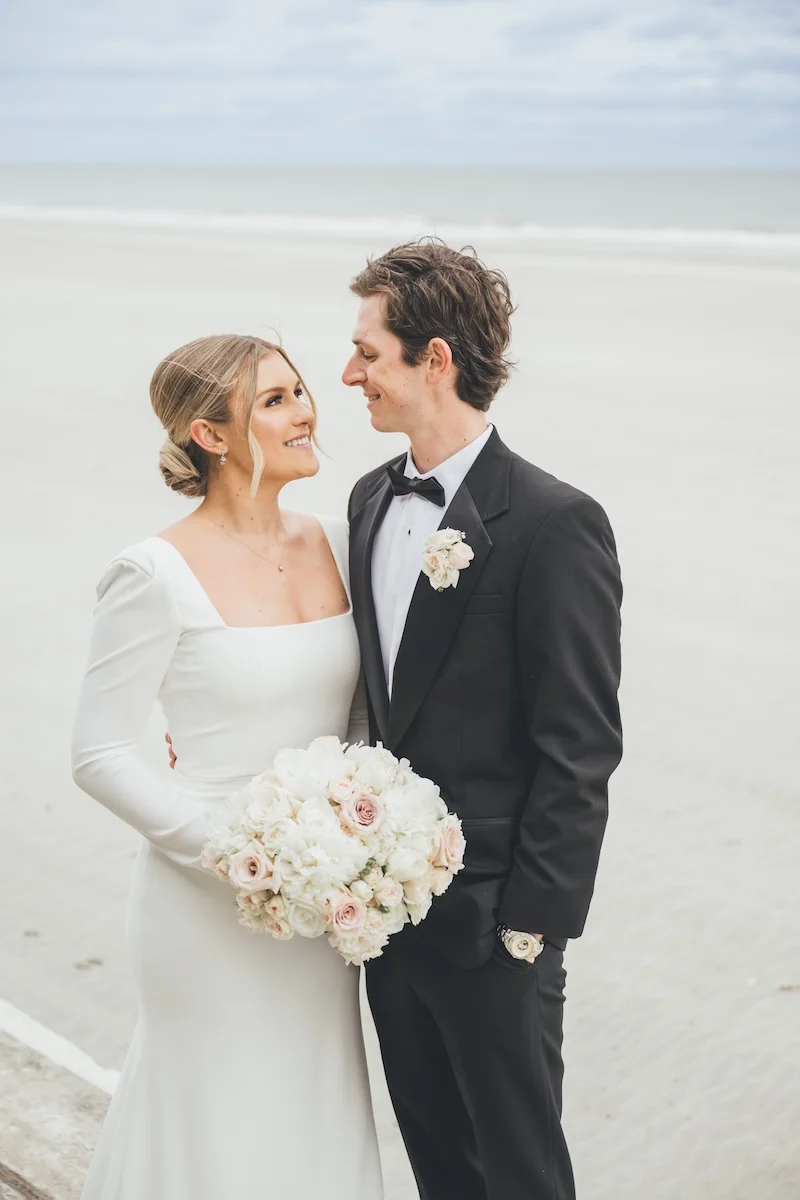
“I’m so excited to be out of the classroom,” she said. “After so many years of studying, it’s easy to forget why you came here in the first place.”
Clerkships will allow students to rotate through core specialties — including pediatrics, surgery, internal medicine and obstetrics and gynecology — while working alongside physicians and residents in clinical settings. Bing is most looking forward to the pediatric rotation.
“I’ve always known I love working with kids,” she said.
The year ahead will help determine the path she ultimately takes in medicine. But regardless of where that journey leads, Bing hopes future Belmont students embrace the lessons she has learned during the program’s earliest years.
“Learn to be comfortable with uncertainty,” she said. “You’re not always going to know the answer, and that’s okay. Ask questions, lean on your faculty and trust the people around you.”
Learn More
Discover what's happening at the Thomas F. Frist, Jr. College of Medicine.